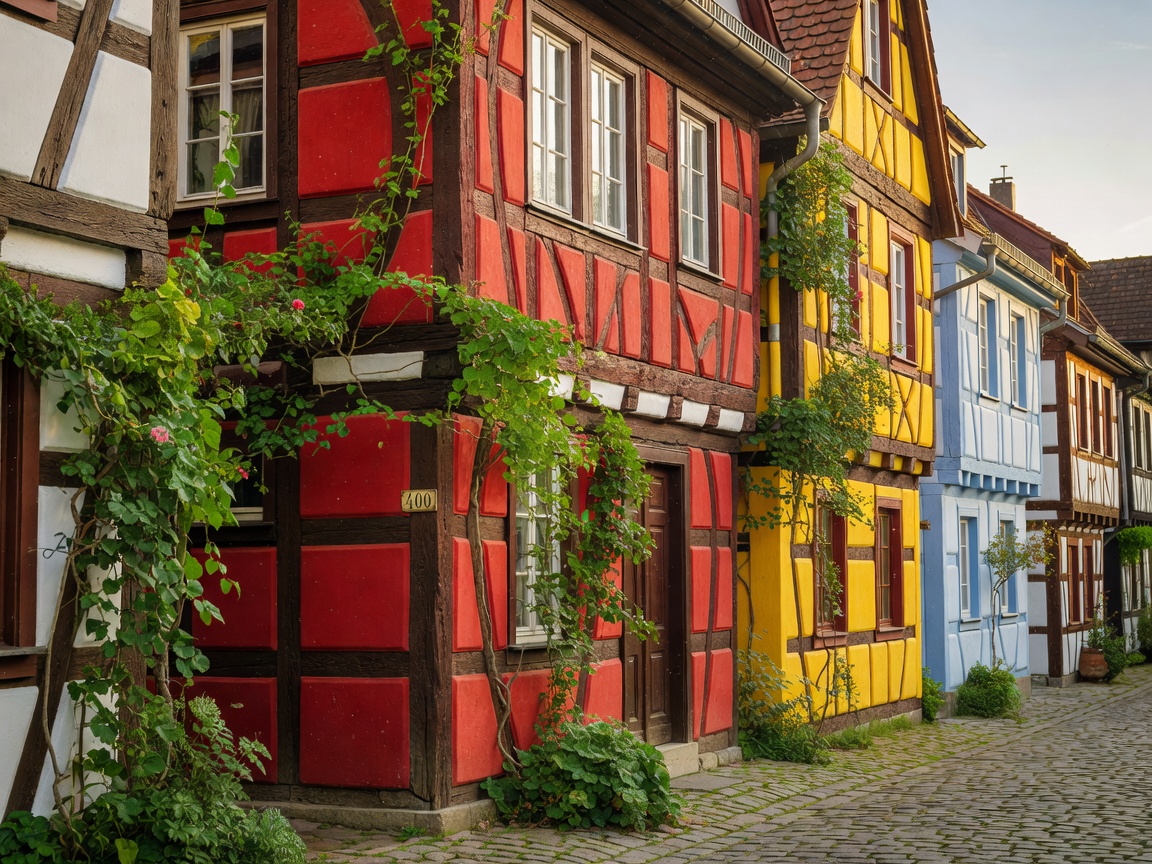
Established in 1953, the Route des Vins d'Alsace is one of the oldest designated tourist routes in France. Meandering along the eastern foothills of the Vosges Mountains, it shields the vineyards from maritime weather, creating a uniquely dry microclimate perfect for aromatic white grapes like Riesling, Gewurztraminer, and Pinot Gris.
The Route and Atmosphere
The magic of the Alsace route lies in its villages. Unlike the grand, isolated châteaux of Bordeaux, the wine culture here is deeply integrated into communal village life. The drive strings together dozens of impossibly picturesque, brightly painted, half-timbered towns adorned with overflowing flower boxes.
Unmissable Villages
Riquewihr
Often described as an open-air museum, Riquewihr managed to survive the world wars largely unscathed. Driving into this area, you must park outside the medieval walls, as the village center is highly restricted to vehicles. The steep, cobbled main street is lined with historic tasting rooms (winstubs).
Eguisheim
Built in concentric circles around a central castle, Eguisheim is famously beautiful and easy to navigate on foot. The surrounding roads wind tightly up into the hills, offering spectacular views of the town's unique layout from above.
Ribeauvillé
Overlooked by the ruins of three historic castles on the neighboring mountain, Ribeauvillé offers a slightly larger, livelier atmosphere. The driving route around the town features long, curving descents through prime Grand Cru vineyard sites.
Pros and Cons
- Pros: Fairy-tale aesthetics; very welcoming and accessible tasting rooms; excellent regional gastronomy blending French and German influences.
- Cons: A long route requiring significant logistical planning to complete in full; the most famous villages get exceptionally crowded with tourist buses in summer and December (for Christmas markets).
Practical Information
The Route des Vins is clearly marked with distinctive signs featuring a cluster of grapes. Because the route links over 70 villages, you will transition constantly between open country road (80 km/h limit) and tight village centers (30 km/h limit). Pay strict attention to speed limit changes and pedestrian crossings. Furthermore, because parking in the medieval towns is restricted, utilize the designated peripheral parking lots before attempting to navigate the narrow historic streets.